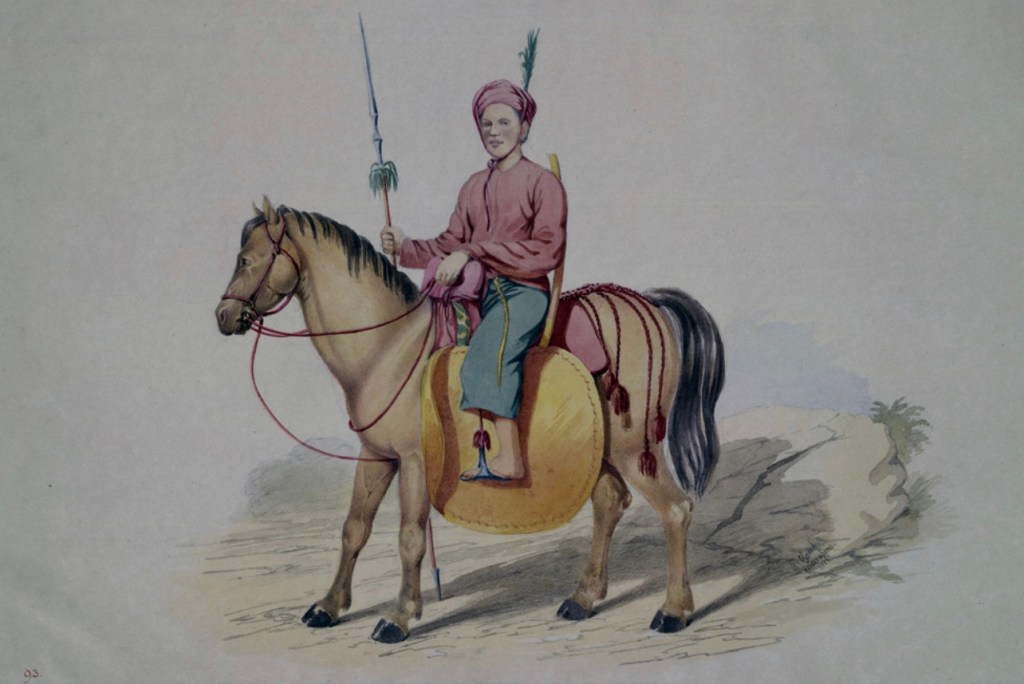
Kum 1855-a Burma lal inkhawma Kathe sakawr khalhtu pakhat watercolor

Myanmar ramah hian Meiteis khawtlang lian tak an awm a, Burma tawngin Kathe an ti a ni. Myanmar-a Hindu hnam dangte ang lo takin Meitei-ho hi an taksa pianphung lamah Burma hnam dangte nen an inang a, hei hian Burma khawtlang nunah an insiamrem leh inzawmkhawmna a ti chak hle a ni. Kum 1950 chho tir lam khan Burma Meiteis hi 40,000 vel an ni a, an zinga hmun thuma แนญhena hmun khat chu Mandalay-ah an cheng a ni. Tuna chhut dan chuan mi 25,000 vel an ni. Meiteis te hi ram pumah an insawn leh tawh a, hmar lamah Myitkyina bula khaw hrang hrangah te, ram laihawl Homalin, Kalewa, Pyay, leh khawthlang lamah Yangon khuaah te an insawn leh ta a ni. Myanmar ramah Hindu sakhua an zawm chhunzawm zel a.
Kum zabi 17-na leh 18-na inkara Meitei lalram leh Konbaung lalram inkara indona avang hian Meitei tam tak chu Burma lalram chhungah an awm leh ta a ni. Tunlai Myanmar rama Meitei awmna thenkhat chu kum 1758โ€“1759 indona atanga lo chhuak a ni a, kum 1819 atanga 1826 thlenga Burma-hoin Manipur an luah atanga lo chhuak a ni bawk.. Alaungpaya, campaign hmasa lai khan Meitei te chu Sagaing leh Amarapura-ah a dah leh a. Meitei mite sakawr khalh thiamna chu Burma lal sipaiah an hmang a, chutah chuan Cassay sakawr chung chuang sipai ropui tak tak (แ€€แ€žแ€Šแ€บแ€ธแ€™แ€ผแ€„แ€บแ€ธแ€แ€•แ€บ) leh artillery regiment (แ€€แ€žแ€Šแ€บแ€ธแ€กแ€™แ€ผแ€ฑแ€ฌแ€บ) te an din a ni แ€บแ€แ€•แ€บ) te chu Burmaโ€“Siamese indo lai khan an hmang thin a ni. Burma court chuan Manipuri Brahmin pawl pakhat Bamons tia koh, Kathe Ponna (แ€€แ€žแ€Šแ€บแ€ธแ€•แ€ฏแ€แ€นแ€แ€ฌแ€ธ) tia koh bawk chu thurawn pe tur leh court ritual kalpui turin a vawng reng bawk.
Bangladesh a ni
Bangladesh hmarchhak lama Sylhet division-ah hian Manipuri emaw Meitei mi tam tak an cheng a ni
Meiteis langsar tak tak .


credit


English ๐Ÿ‘‰
Myanmar is home to a sizable community of Meiteis, who are called Kathe in Burmese. Unlike other Hindu communities in Myanmar, the Meitei resemble other Burmese ethnic groups in terms of physical appearance, which has accelerated their assimilation and integration into Burmese society. In the early 1950s, Burmese Meiteis numbered approximately 40,000, with a third of them residing in Mandalay. Current estimates are approximately 25,000. Meiteis have resettled throughout the country, including in villages near Myitkyina to the north, Homalin, Kalewa, Pyay, in the center of the country, and Yangon to the south. They continue to practice Hinduism in Myanmar.
As a result of wars between Meitei kingdom and the Konbaung dynasty between the 17th and 18th centuries, many Meiteis were resettled in the Burmese kingdom. Some Meitei settlements in modern-day Myanmar originate from the 1758โ€“1759 war, and from the Burmese occupation of Manipur from 1819 to 1826.. Alaungpaya, during the former campaign, resettled Meiteis in Sagaing and Amarapura. The Meitei people’s horsemanship skills were employed in the Burmese royal army, where they formed the elite Cassay cavalry (แ€€แ€žแ€Šแ€บแ€ธแ€™แ€ผแ€„แ€บแ€ธแ€แ€•แ€บ) and artillery regiments (แ€€แ€žแ€Šแ€บแ€ธแ€กแ€™แ€ผแ€ฑแ€ฌแ€€แ€บแ€แ€•แ€บ) which were employed during the Burmeseโ€“Siamese wars. The Burmese court also retained a retinue of Manipuri Brahmins called Bamons, also called Kathe Ponna (แ€€แ€žแ€Šแ€บแ€ธแ€•แ€ฏแ€แ€นแ€แ€ฌแ€ธ) to advise and conduct court rituals.
Bangladesh
Many Manipuri or Meitei people resides in Sylhet division in north-eastern Bangladesh
Notable Meiteis.

Published by Ngron Chin Tribe ( Ngron Chin Miphun )

๐Œ๐ฒ๐š๐ง๐ฆ๐š๐ซ ๐‚๐ก๐ข๐ง ๐’๐ญ๐š๐ญ๐ž ๐๐†๐€๐–๐ tribe ๐“๐š๐ง๐ ๐ญ๐ก๐ฎ ( Ngawn Chin History) ๐๐ ๐š๐ฐ๐ง ๐‚๐ก๐ข๐ง ๐ญ๐ซ๐ข๐›๐ž ๐ƒ๐š๐ง๐œ๐ž A.๐๐ ๐š๐ฐ๐ง ๐๐ฎ๐ง ๐๐ก๐ฎ๐ง๐  ๐‹๐š๐ฆ ๐“๐ก๐ฎ ๐Ÿ. ๐‚๐จ๐ง ๐‹๐š๐ฆ ๐Ÿ. ๐’๐š ๐€๐ข๐ก ๐‹๐š๐ฆ ๐Ÿ‘. ๐†๐š๐ฅ ๐€๐ข๐ก ๐‹๐š๐ฆ ๐Ÿ’. ๐Š๐ก๐ฎ๐š๐ง๐  ๐Š๐š๐ข๐ก ๐‹๐š๐ฆ ๐Ÿ“. ๐‹๐š๐ง๐  ๐‚๐ž๐ฆ ๐‹๐š๐ฆ ๐Ÿ”. ๐“๐š ๐•๐ฎ๐ง๐  ๐‹๐š๐ฆ ๐Ÿ•. ๐Š๐ก๐ฎ๐š๐ง๐  ๐‚๐š๐ฐ๐ข ๐‹๐š๐ฆ ๐Ÿ–. ๐‹๐š๐ข ๐‹๐ž๐ง ๐‹๐š๐ฆ ๐Ÿ—. ๐‹๐š๐ฆ ๐Œ๐š๐ง ๐’๐ข๐š๐ฅ ๐‹๐š๐ฐ๐ก ๐‹๐š๐ฆ ๐Ÿ๐ŸŽ. ๐๐ ๐ฎ๐š ๐“๐š๐ฐ๐ก ๐‹๐š๐ฆ. B.๐๐ ๐š๐ฐ๐ง ๐‹๐š ๐Ÿ. ๐ƒ๐ž๐ฎ ๐‹๐š ๐Ÿ. ๐’๐š ๐€๐ข๐ก ๐‹๐š ๐Ÿ‘. ๐Š๐ก๐ฎ๐š๐ง๐  ๐‚๐š๐ฐ๐ข ๐‹๐š ๐Ÿ’. ๐Œ๐ฎ๐š๐ฅ ๐ƒ๐š๐ฐ๐ง ๐‹๐š ๐Ÿ“. ๐๐š๐ฎ ๐€๐ฐ๐ข ๐‹๐š . C. ๐๐ ๐š๐ฐ๐ง ๐๐ฎ ๐‹๐ž ๐๐š ๐“๐ž๐ข ๐“๐š๐ง๐  ๐‹๐ž๐ข ๐Œ๐š๐ง ๐ƒ๐š๐ง ๐Ÿ. ๐’๐š๐ฐ๐ง๐  ๐“๐ก๐จ ๐Ÿ. ๐Š๐ก๐ฎ๐š ๐๐ข ๐Ÿ‘. ๐ƒ๐š๐ฐ๐ง๐  ๐’๐š๐ฐ๐ฆ . 4.๐“๐ก๐š๐ฐ๐ฆ ๐™๐ฎ๐ฅ 5.๐๐ ๐š ๐’๐š ๐Š๐ฎ๐š๐ง๐  ๐Š๐ข๐ฅ. D. ๐๐” ๐‹๐„ ๐๐€ ๐“๐„๐ˆ ๐Š๐‡๐”๐€๐‡๐”๐ ๐™๐Ž๐‡ ๐ƒ๐€๐ 1.Mai kum ca in, 2.Simkum tukmaw zokum tuk, 3.Kum phatuk le phatuk ngawl, 4.Sapi luttuk le luttuk ngawl, 5.Meikang umtuk le umtuk ngawl, 6.Mivai um tukle umtuk ngawl, 7.Sakthi umtukle umtuk hawl, 8.Damnak lam phuin zoin na son hamthei haw hi. ************************************************ ๐๐ ๐š๐ฐ๐ง ๐‡๐š ๐’๐ข๐š๐ฅ ๐ƒ๐š๐ง Ngawn pulepa te cu, Cong lelam in nunkhua asa mite haw hi. Kumsial danle-Hasial dan cu, Ha13 asial hawten Kum1 tin sialhaw Hi. Phiangkum cu Kum3 veikhat ah phiangkum tin namang haw hi. 1. Canghak ha. 2. Vulcio ha. 3. Vulpi ha. 4. Kaau ha. 5. Tuun ha 6. Tim ha. 7. Mang ha. 8. Cun ha. 9. Tang Ha. 10. Dawnsawm ha. 11. Ngam ha. 12. Zankuah ha. 13. Innsak Ha Lui . Pule patei kumsia dan le hasial dan cu hitih cun hi.

One thought on “Kum 1855-a Burma lal inkhawma Kathe sakawr khalhtu pakhat watercolor

Leave a reply to Moon Cancel reply

Design a site like this with WordPress.com
Get started