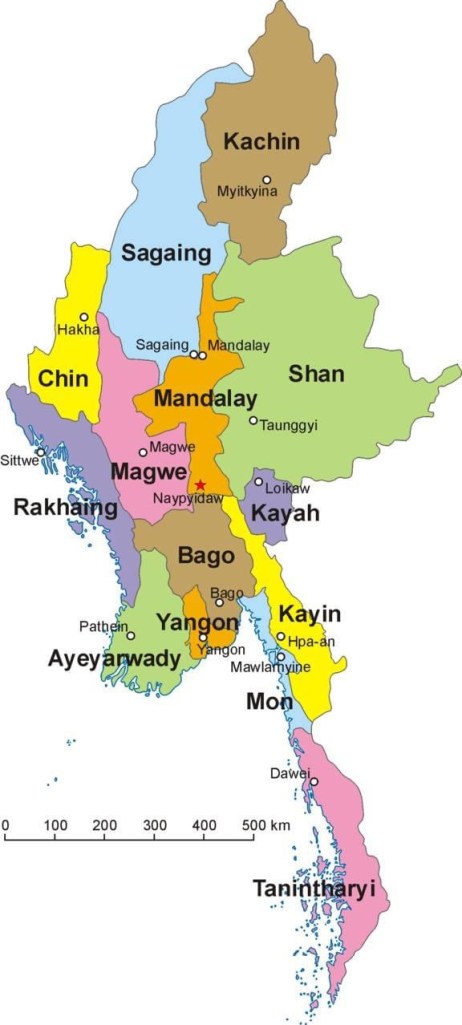
Burmese history
Burma’s history spans from the time of the first human settlement 13,000 years ago to the present day. The earliest humans in prehistoric times were the Tibeto-Burman speaking people. They established Pyu city-states extending to the southern region and practiced Theravada Buddhism.
In the early 9th century, another ethnic group, the Burmans, entered the upper Irrawaddy basin. They united the Irrawaddy basin and its outlying areas for the first time and went on to establish the Kingdom of Bagan. During this period, Burmese religion, Burmese culture gradually replaced the Pyu culture. After the Mongol invasion in 1287, the kingdom broke up into many small kingdoms, among them the kingdom of Inva. Kingdom of Hanthavati The Northern Kingdom and the Shan Kingdom were the main powerhouses. Those kingdoms are transitioning from one country to another. They dominated and manipulated the country’s landscape with war crimes.
In the middle of the 16th century, the Taung Ngu Dynasty (1510-1752) reunified the country and established the largest short-lived empire in Southeast Asian history. Later Taungnu rulers were the main administrative, In the 17th and early 18th centuries, smaller, A more peaceful and prosperous kingdom emerged. In the middle of the 18th century, the Gonpaw Dynasty (1752-1885) restored the country and continued to apply Taungnu era reforms that increased central rule in the peripheral regions. The Khon Pao dynasty made it one of the countries with the most literate population in Asia. It also continued to be at war with all of its neighboring countries. The Anglo-Burmese War (1824-1885) led to British colonial rule.
British rule brought many lasting social, economic, cultural, and administrative changes and completely transformed the once agrarian society. British rule accentuated the diversity among the country’s many ethnic groups. Since independence in 1948, the country remains one of the longest civil wars fought between insurgent groups representing political and ethnic minorities and the central government of all ages. The country has been under various fake military regimes from 1962 to 2010 and again from 2021 to date, and this cycle has made it one of the least developed countries in the world.
Before history
The earliest research evidence confirms the existence of civilizations in the Burmese region as early as 11,000 BC. Most early settlement markers were found in the central dry zone, with patchy settlements emerging in areas near the banks of the Irrawaddy River. The Burmese Neolithic culture existed at a time that is considered to be parallel to the Early Stone Age and the Middle Stone Age of Europe. Three caves dating from 10,000 to 6,000 BC near Taunggyi on the edge of the Shan Plateau in Burma show the New Stone Age, when plants and animals were first cultivated and tools were used.
Around 1500 BC, people in the region began using copper to convert it into bronze. They planted rice and raised chickens and pigs. They were among the first people in the world to do this. Around 500 BC, iron-making villages emerged in the area south of present-day Mandalay. Burial areas filled with bronze elephant coffins and fragments of pottery were excavated. According to research evidence found in the Salmon Valley south of Mandalay, between 500 BC and 200 AD, there were small rice-growing villages that traded with China. Research evidence outside the Salmon Valley suggests changes in Indian-dominated infant burial practices during the Iron Age. These changes included burying babies in large urns, their size indicating family status.
Pu era
According to the latest Burmese historical records, the first people to enter Myanmar were the Tibeto-Burman tribes in the north, the Pyu, The On the coast and in the south are the Mon who won the competition with the Malays. In addition, in the eastern regions, there are also a small number of Shan people, a Tibetan-Chinese tribe.
Among these people, the Pyu people live in the Irrawaddy River basin in the middle of Myanmar today, establishing towns and villages. In the 4th and 5th centuries, the Pyu reached their peak and overpowered the Mon. Han Lin and Sera Chethera were prominent in the trade routes of Southeast Asia.
The trade route was from Khmer in the east to the Arakan coast in the west. In the early 9th century, the less united Pyu were attacked and destroyed by the powerful Nan Kyak from the north, and the Pyu were destroyed. At that time, it can be roughly determined that the Pyu lived on the west side of the Irrawaddy River and the Mon lived on the east side of the Irrawaddy River. Some historians consider the Pu era as the first union.
Pagan period
The Burmese, who were the last to enter Myanmar’s borders, crossed today’s Shan State and gradually penetrated into Kyaukse District, establishing eleven districts of Kyaukse where they believed it was suitable for rice cultivation. After their arrival, they inherited the culture of literature and letters from the Pyu people and developed and used their own Myanmar alphabet, which is easier to use, and they also developed literature for the neighboring Mons, who only had words and did not have an alphabet.
As the years grew longer and the population grew denser, they continued to expand their territory and began to rule the central region of Myanmar well. The early Burmese called the headman
Min Saw'' by combiningSaw” (Saw) as Min'' andShan” in their language. As time went on, among those princes, people with good abilities appeared, and that chief was called “King”.Among the princes, the King of Bagan from Bagan, which is a communication center, became the head of all
Min Saw'' to make it easy to manage a wide area. The statement thatOriginally, Bagan was formed by 19 villages” seems to confirm this fact. During the reign of King Anawratham, Bagan’s power reached its peak and they conquered Thatton from Ramanya (Ancient Mon = “royal”) and conquered an area almost as wide as today’s Myanmar. The rest of the soldiers who came down from there, Pagan rulers such as the mortuary were also influential people, so they were able to organize the country well.However, later rulers became of poor quality and Bagan’s influence declined significantly. Finally, due to the Mongol attack, Bagan was destroyed and the Bagan dynasty fell. After the retreat of the Mongols, they ascended the throne. During the days of Saw Ni and Saw Mon Ni, Pagan Min was only nominal, and the actual power was in the hands of the three Shan brothers.
Ava period
After the end of the Bagan era, a king emerged who unified and ruled the upper Burma region, which had a diverse portfolio. He was a man named Thato Min Thiem, who was born in Inwa City and descended from the three brothers of Galba Maka Pya. From the reign of the second King Tha Sokke, he took advantage of the disharmony of the Monpadhyayas from lower Rama to take advantage of the war. From there, the Inva-Hamshavati Forty Years War took place. White Elephant, who ascended the throne after King Tha Sokke, It was a war that had to be fought until the days of King Min Khao.
During the time of the kings who ascended the throne after those kings, there were hardly any efforts to maintain peace in the country, and as time went by, their power declined and finally the feudal lords of Shan became powerful. During the reign of Shwe Neng Shin Narapati, the last ruler, the king Thato Min Saw and Shan Sowwa Mo Nying Slon, His son Thohan Bwa attacked and captured Ava.
After that, Thohan Bwa ascended the throne. The people did not like him, and he tried to compete with Tapin Shwe Hti of Taung Ngu, who had conquered Hanthawati during the reigns of Ohn Baw Guk Mai and Mo Bre Narapati, who ascended the throne after the assassination of Thohan Nwa, but failed. Then, during the reign of Narapati Santu, it fell into the hands of King Naung. Taungu-Hamshavati period
Taungnu-Hamthawati period was one of the peak periods of Burmese. Since the destruction of Bagan, Myanmar, which has been centered on Inwa, was not only the war of the Mons from the lower country, the war of the Shan Sawwami who gradually became stronger from the north, but the whole of Myanmar was destroyed until one ruler ruled the whole of Myanmar. His son, Tapin Shwehti, and his father-in-law, Burin Naung, each continued to expand the country. During King Nyo’s reign, it was moderately powerful, and during the reign of his son, Tapin Shwehti, in the middle of Myanmar, the territory of the Mons in the lower country, and during the reign of Burin Naung, expanded beyond the borders of today’s Myanmar, from Manipur in the west to Ayutthaya in the east, Thailand in the north, from Kachin State to South
Kotsain in the north.
Next, Kambozathadi Palace was also built. However, the visionary King Nanda could not have foreseen the fact that the great kingdom he founded during the reign of his son King Nanda would easily collapse. During the reign of King Nanda, various subordinate rulers rebelled, and finally, due to the attack of the King of Arakan, Min Rajagyi, and the Governor of Taung Ngu, Min Ye Thiha, the Kambozathadi Palace was destroyed.
The era of Nyaungran
An obscure son of King Naung, Nyaung Ran Sesin Tya, conquered Ava to unite the fragmented country and established the Nyaung Ran Dynasty (the Second Ava Era). During his time, he was able to recapture the Shan states. During the reign of Luon Min, who succeeded him, he became quite powerful and conquered Taung Nu, and was able to suppress the Portuguese Ngzinka from the south. He was able to prevent the attempts of the Thai King Baran Raz (King Naung’s adopted son) to penetrate southern Burma from the southeast.
During the reign of Thalon Min, when he started to bring stability and peace to the whole country, he was able to conduct population surveys for the first time in the history of Myanmar. Later, due to the bad weather and the decline in the quality of the rulers, the Mons from Hanthawati rebelled and the Nyaungran period ended. The last ruler, Satun, also went to Hanthavati and was later executed.
Land frame era
After the fall of the Nyaung Ran Dynasty, U Aung Zeya, the chief of Muso Bo village, led a revolution against the Mons with the title of a corpse god. After recapturing Ava, he became very influential by defeating the Mons in successive battles and attempted to conquer Ayutthaya. However, Ayutthaya was completely defeated during the reign of Sin Pyu Shin, the third king. During his reign, he was invaded by the Manchus from the north 5 times, but he was able to fight back well. During the reign of the 6th ruler, Vadong, he tried to change the culture and philosophy, but failed. During that reign, Rakhine State, which had not been part of Myanmar’s borders for generations, was conquered by Crown Prince U Na, and he was able to bring the Great Buddha to Mandalay. However, later, due to the chaos in the court, the power of the Gonpaw dynasty came to be weakened. During the reign of the Great King, because of the Assam and Manipur issues, there was a war with the imperialist English and Rakhine and Tanintharyi were given away. Then, during the reign of Bagan Min, there was a second war and the entire lower part of Burma was occupied. During Thipaw Min’s reign, there was a third war due to the issue of New Bombay and Burma, and the entire country of Burma was enslaved to him. After being invaded three times by the British, Burma fell under British rule during Thipaw Min’s reign.
Ref:

မြန်မာ့သမိုင်း
မြန်မာ့သမိုင်းသည် လွန်ခဲ့သော နှစ်ပေါင်း ၁၃၀၀၀ ပထမဆုံးလူသားအခြေချနေထိုင်ခဲ့သောကာလမှ ယနေ့ခေတ်အထိ အကျုံးဝင်သည်။ သမိုင်းတင်ခေတ်၏ အစောဆုံးလူသားများသည် တိဗက်ဗမာစကားပြောလူမျိုးများဖြစ်ကြသည်။ သူတို့သည် တောင်ဘက်ပြည်ဒေသအထိ ကျယ်ဝန်းသော ပျူမြို့ပြနိုင်ငံများကို တည်ထောင်ခဲ့ကြပြီး ထေရဝါဒဗုဒ္ဓဘာသာကို ကိုးကွယ်ခဲ့ကြသည်။
၉ရာစုအစောပိုင်းတွင် အခြားလူမျိုးစုဖြစ်သော ဗမာလူမျိုးတို့သည် ဧရာဝတီမြစ်ဝှမ်းအထက်ပိုင်းသို့ ဝင်ရောက်လာခဲ့ကြသည်။ သူတို့သည် ဧရာဝတီမြစ်ဝှမ်းနှင့် ၎င်း၏ အစွန်အဖျားဒေသများကို ပထမဆုံးအကြိမ်အဖြစ် စုစည်း၍ ပုဂံဘုရင့်နိုင်ငံကို ဆက်လက်တည်ထောင်ခဲ့ကြသည်။ ဤကာလအတွင်း ဗမာဘာသာ၊ ဗမာ့ယဉ်ကျေးမှုသည် ပျူဓလေ့တွင် တဖြည်းဖြည်း အစားထိုးဝင်ရောက်လာခဲ့သည်။ ၁၂၈၇ ခု မွန်ဂိုကျူးကျော်စစ်ဖြစ်ပြီးနောက် ဘုရင့်နိုင်ငံငယ်အများအဖြစ် ပြိုကွဲသွားခဲ့ရာ ထိုအထဲတွင် အင်းဝဘုရင့်နိုင်ငံ၊ ဟံသာဝတီဘုရင့်နိုင်ငံ၊ မြောက်ဦးဘုရင့်နိုင်ငံနှင့် ရှမ်းပြည်ထောင်များသည် အဓိကအင်အားစုနိုင်ငံများဖြစ်ခဲ့ကြသည်။ ထိုဘုရင့်နိုင်ငံများသည် တစ်နိုင်ငံနှင့် တစ်နိုင်ငံ မဟာမိတ်အကူးအပြောင်း၊ စစ်မက်အရေးအခင်းများဖြင့် နိုင်ငံ့ရှုခင်းကို လွှမ်းမိုးခြယ်လှယ်ခဲ့ကြသည်။
၁၆ရာစုအလယ်တွင် တောင်ငူမင်းဆက်(၁၅၁၀-၁၇၅၂)သည် နိုင်ငံကိုပြန်လည်စုစည်း၍ အရှေ့တောင် အာရှသမိုင်းတွင် ကာလတိုအကြီးဆုံးအင်ပါယာကြီးကို တည်ထောင်ခဲ့သည်။ နောက်ပိုင်းတောင်ငူမင်းများသည် အဓိကအုပ်ချုပ်ရေး၊ စီးပွားရေးပြုပြင်ပြောင်းလဲမှုများကို ပြဋ္ဌာန်း၍ ၁၇ရာစုနှင့် ၁၈ရာစုဦးတွင် ပိုသေးငယ်၊ ပိုငြိမ်းချမ်း၍ ချမ်းသာကြွယ်ဝသော ဘုရင့်နိုင်ငံကို ပေါ်ပေါက်စေခဲ့သည်။ ၁၈ရာစုအလယ်တွင် ကုန်းဘောင်မင်းဆက်(၁၇၅၂-၁၈၈၅)သည် နိုင်ငံကို ပြန်လည်ထိန်းသိမ်းခဲ့ပြီး အစွန်အဖျားဒေသများတွင် ဗဟိုအုပ်စိုးမှုတိုးမြှင့်ထားသည့် တောင်ငူခေတ်ပြုပြင်ပြောင်းလဲမှုအတိုင်း ဆက်လက်ကျင့်သုံးခဲ့သည်။ ကုန်းဘောင်မင်းဆက်သည် အာရှတိုက်တွင် စာတတ်မြောက်သူဦးရေအများဆုံးနိုင်ငံများအနက်မှ တစ်နိုင်ငံဖြစ်စေခဲ့သည်။ ၎င်းသည် အိမ်နီးချင်းနိုင်ငံအားလုံးနှင့်လည်း စစ်မက်ဆက်လက်ဖြစ်ပွားခဲ့သည်။ အင်္ဂလိပ်-ဗမာစစ်ပွဲစဉ်(၁၈၂၄-၁၈၈၅)သည် ဗြိတိသျှကိုလိုနီအုပ်ချုပ်မှုကို ဦးတည်စေခဲ့သည်။
ဗြိတိသျှအုပ်ချုပ်မှုသည် များစွာသောရေရှည်တည်တံ့သည့် လူမှုရေး၊စီးပွားရေး၊ယဉ်ကျေးမှု၊အုပ်ချုပ်ရေး ပြောင်းလဲမှုများကို ယူဆောင်လာခဲ့ပြီး တစ်ချိန်က လယ်ယာအခြေပြုလူမှုအဖွဲ့အစည်းကို အလုံးစုံပြောင်းလဲစေခဲ့သည်။ ဗြိတိသျှအုပ်ချုပ်မှုသည် နိုင်ငံ၏ များပြားလှသော တိုင်းရင်းသား မျိုးနွယ်စုများအကြား မတူကွဲပြားမှုများကို အသားပေးခဲ့သည်။ ၁၉၄၈ လွတ်လပ်ရေးရပြီးချိန်မှစ၍ နိုင်ငံသည် နိုင်ငံရေးနှင့်တိုင်းရင်းသားလူနည်းစုများကို ကိုယ်စားပြုသော သောင်းကျန်းသူအဖွဲ့များနှင့် ခေတ်အဆက်ဆက်ဗဟိုအစိုးရများအကြား ဖြစ်ပွားခဲ့သော အရှည်ကြာဆုံးပြည်တွင်းစစ်ဖြစ်ပွားသော နိုင်ငံများအနက်မှ တစ်နိုင်ငံဖြစ်ဆဲပင်ဖြစ်သည်။ နိုင်ငံသည် ၁၉၆၂ မှ ၂၀၁၀ အထိနှင့် တစ်ဖန် ၂၀၂၁ မှ ယနေ့အထိ စစ်တပ်၏ အတုအယောင်အမျိုးမျိုးဖြင့် အသွင်ပြောင်းအုပ်ချုပ်မှုအောက်ရောက်ခဲ့ပြီး ဤသို့ သံသရာလည်ဖြစ်စဉ်ကြောင့်ကမ္ဘာပေါ်တွင် ဖွံ့ဖြိုးမှုအနိမ့်ဆုံးနိုင်ငံများအနက်မှ တစ်နိုင်ငံဖြစ်လာခဲ့သည်။
သမိုင်းမတင်မီ
အစောဆုံးသုတေသနအထောက်အထားများက အတည်ပြုထားသည်မှာ ဗမာဒေသတွင် ဘီစီ ၁၁၀၀၀ လောက်ကတည်းက ယဉ်ကျေးမှုများတည်ရှိခဲ့သည်။ အစောပိုင်းအခြေချနေထိုင်မှုအမှတ်အသား အများစုကို အလယ်ပိုင်းခြောက်သွေ့ဇုန်တွင် တွေ့ရှိခဲ့ပြီး ကွက်တိကွက်ကြားအခြေချမှုများသည် ဧရာဝတီမြစ်ကမ်းစပ် အနီးအပါးဒေသများတွင် ပေါ်ပေါက်လာခဲ့သည်။ ဥရောပတိုက် ကျောက်ခေတ်ဦးနှင့် ကျောက်ခေတ်လယ်တို့နှင့် အပြိုင်ဟုယူဆရသော အချိန်၌ ဗမာ့ကျောက်ခေတ် အညာသီယံယဉ်ကျေးမှုသည် တည်ရှိခဲ့သည်။ အပင်နှင့် တိရစ္ဆာန်များကို ပထမဆုံးစိုက်ပျိုးမွေးမြူ၍ ကျောက်ချောလက်နက်ကိရိယာများကို သုံးစွဲလာကြသော ကျောက်ခေတ်သစ်ကို ဗမာဒေသတွင် ရှမ်းကုန်းပြင်မြင့်အစွန်အဖျား တောင်ကြီးမြို့အနီးရှိ ဘီစီ ၁၀၀၀၀ မှ ၆၀၀၀ အတွင်း သက်တမ်းရှိသော ဂူသုံးဂူက အထောက်အထားပြသည်။
ဘီစီ ၁၅၀၀ ခန့်တွင် ဒေသတွင်းရှိလူများသည် ကြေးနီ(copper) ကို ကြေးညို(bronze) အဖြစ်သို့ ပြောင်းလဲသုံးစွဲလာကြသည်။ စပါးစိုက်ပျိုး၍ ကြက်၊ဝက်တို့ကို မွေးမြူလာကြသည်။ သူတို့သည် ကမ္ဘာပေါ်တွင် ဤသို့ ပထမဆုံးပြုလုပ်သော လူများအနက်မှ ဖြစ်သည်။ ဘီစီ ၅၀၀ ခန့်တွင် ယနေ့မန္တလေးတောင်ဘက်ဒေသ၌ သံချက်လုပ်သော ရွာများပေါ်ပေါက်လာခဲ့သည်။ ကြေးညိုအလှ ဆင်ခေါင်းတလားများနှင့် မြေထည်ပစ္စည်းအပိုင်းအစများဖြင့် ပြည့်နှက်နေသော သင်္ချိုင်းနယ်မြေများကို တူးဖော်တွေ့ရှိခဲ့သည်။ မန္တလေးတောင်ဘက် ဆာမွန်တောင်ကြား၌ တွေ့ရသော သုတေသနအထောက်အထားများအရ ဘီစီ ၅၀၀ နှင့် အေဒီ ၂၀၀ ကြားတွင် တရုတ်နှင့် ကုန်သွယ်သော စပါးစိုက်ရွာငယ်များရှိခဲ့သည်။ သံခေတ်အတွင်း အိန္ဒိယလွှမ်းမိုးမှုများသော မွေးကင်းစကလေးငယ် မြှုပ်နှံသည့် ဓလေ့တွင် ပြောင်းလဲမှုများပေါ်ပေါက်လာကြောင်း ဆာမွန်တောင်ကြားအပြင်ဘက် သုတေသနအထောက်အထားများက ဆိုသည်။ ဤပြောင်းလဲမှုများတွင် ကလေးငယ်များကို စဥ့်အိုးကြီးများထဲတွင် ထည့်သွင်းမြှုပ်နှံ၍ ၎င်းတို့၏ အရွယ်အစားသည် မိသားစုအဆင့်အတန်းကို ဖော်ပြခြင်း စသော ပြောင်းလဲမှုများ ပါဝင်သည်။
ပျူခေတ်
နောက်ဆုံးတွေ့ရှိဖော်ထုတ်ထားသည့် မြန်မာ့ သမိုင်းမှတ်တမ်းများအရ မြန်မာနိုင်ငံ အတွင်းသို့ ရှေးဦးစွာဝင်ရောက်လာခဲ့သည့် လူမျိုးများမှာ မြောက်ဘက်တွင် တိဘက်တို-ဗမာအနွယ်ဝင်များ ဖြစ်ကြသည့် ပျူ၊ သက်၊ ကမ်းယံနှင့် တောင်ဘက်တွင် မလေးအနွယ်ဝင်များနှင့် ယှဉ်ပြိုင်အနိုင်ရသွားသည့် မွန်တို့ဖြစ်သည်။ ထို့အပြင် အရှေ့ဘက်ဒေသများတွင်လည်း တိဘက်-တရုတ်အနွယ်ဖြစ်သည့် ရှမ်းလူမျိုးလည်း အနည်းငယ် ရှိနေကြပြီးဖြစ်သည်။
ထိုလူမျိုးများအနက် ပျူလူမျိုးမှာ ယနေ့မြန်မာနိုင်ငံ အလယ်ပိုင်း ဧရာဝတီမြစ်ဝှမ်းတစ်လျောက်တွင် မြို့ရွာများ တည်ထောင်ကာ နေထိုင်ကြသည်။ ၄ရာစုနှင့် ၅ရာစုများတွင် ပျူတို့ အထွဋ်အထိပ်ရောက်၍ မွန်တို့ကို လွမ်းမိုးကာ ပျူမြို့ပြနိုင်ငံများဖြစ်သည့် ဗိဿနိုး၊ ဟန်လင်းနှင့် သရေခေတ္တရာတို့မှာ အရှေ့တောင်အာရှ၏ ကုန်သွယ်ရေးလမ်းကြောင်းတွင် ထင်ရှားခဲ့သည်။
ထိုကုန်သွယ်ရေးလမ်းကြောင်းမှာ အရှေ့ဘက်ခမာနိုင်ငံမှ အနောက်ဘက် ရခိုင်ကမ်းရိုးတန်းအထိ ဖြစ်သည်။ ၉ရာစုအစောပိုင်းတွင် စည်းလုံးမှုနည်းသည့် ပျူတို့ကို မြောက်ပိုင်းမှ အင်အားကြီး နန်ကျောက်တို့က ဝင်ရောက်တိုက်ခိုက်ဖျက်စီးသဖြင့် ပျူတို့ပျက်ဆီးရသည်။ ထိုခေတ်တွင် အကြမ်းအားဖြင့် ပျူတို့က ဧရာဝတီမြစ်အနောက်ဘက်ခြမ်း နှင့် မွန်တို့က ဧရာဝတီမြစ် အရှေ့ဘက်ခြမ်းတွင် နေထိုင်ကြသည်ဟူ၍ သတ်မှတ်နိုင်သည်။ အချို့သော သမိုင်းပညာရှင်များက ထိုပျူခေတ်ကို ပထမပြည်ထောင်စု ဟုလည်း သတ်မှတ်ကြ၏
ပုဂံခေတ်
မြန်မာနိုင်ငံနယ်နိမိတ်ထဲသို့ နောက်ဆုံးမှ ဝင်ရောက်လာသည့် မြန်မာတို့သည် ယနေ့ရှမ်းပြည်နယ်ကို ဖြတ်ကျော်ကာ ကျောက်ဆည်နယ်သို့ တစစထိုးဖောက်လာပြီးနောက် ဆန်စပါးစိုက်ပျိုးရန် သင့်တော်သည်ဟု ယူဆသောထိုဒေသတွင် ကျောက်ဆည်ဆယ့် တစ်ခရိုင်ကိုတည်ထောင်ကာ အခြေချနေထိုင်ကြသည်။ ထိုသို့ရောက်ရှိလာခဲ့ပြီးနောက် ပျူတို့ထံမှ စာပေအက္ခရာ ယဉ်ကျေးမှုများ ကိုအမွေခံကာ ပိုမိုလွယ်ကူသော ကိုယ်ပိုင်မြန်မာအက္ခရာများ တီထွင်အသုံးပြုကြသလို စကားသာ ရှိပြီး အက္ခရာစာပေ မရှိသေးသော အိမ်နီးချင်းမွန်တို့အတွက်ပါ စာပေတီထွင် ရေးပေးခဲ့ကြသည်။
နှစ်ကာလကြာရှည်လာပြီး လူဦးရေထူထပ်လာသောအခါ နယ်ပယ်များဆက်လက်ချဲ့ထွင်ကြသဖြင့် မြန်မာနိုင်ငံအလယ်ပိုင်းဒေသကို ကောင်းစွာအုပ်စီးမိတော့သည်။ အစောပိုင်းဗမာတို့သည် အကြီးအကဲဖြစ်သူကို မိမိတို့ ဘာသာစကားဖြင့်
မင်း´နှင့် ရှမ်းတို့ခေါ်သကဲ့သို့စော´(စဝ်)ကိုပေါင်းကာ မင်းစော´ဟုခေါ်ကြသည်။ အချိန်ကြာသည်နှင့်အမျှ ထိုမင်းများထဲတွင် အစွမ်းအစကောင်းသူများ ပေါ်ထွန်းလာသဖြင့် ထိုအကြီးအကဲကိုမင်းကြီး´ဟုခေါ်ကြသည်။ထိုသို့မင်းများထဲတွင်မှ ကျယ်ပြန့်လှသော နယ်ပယ်ကို အုပ်ချုပ်ရလွယ်ကူစေရန် ဆက်သွယ်ရေး အချက်အချာကျသည့် ပုဂံမှ ပုဂံမင်းကြီးသည်
မင်းစော´ အပေါင်းတို့၏ အကြီးအကဲအဖြစ်သို့ ရောက်ရှိလာသည်။မူလက ပုဂံကို ရွာ၁၉ရွာဖြင့် စတင်ဖွဲ့စည်းသည်´ ဟူသော အဆိုက ဤအချက်ကို အတည်ပြုနေသကဲ့သို့ရှိသည်။ အနော်ရထာမင်း လက်ထက်တွင် ပုဂံ၏ အင်အား အထွဋ်အထိပ် ရောက်ကာ ရာမည(ရှေးမွန်=`ရာမည်´)မှ သထုံကို အနိုင်ရပြီး ယနေ့ မြန်မာနိုင်ငံနီးနီးမျှ ကျယ်ပြန့်သည့် နယ်ပယ်ကို သိမ်းပိုက်နိုင်ခဲ့သည်။ ထိုမှ ဆင်းသက် သည့် ကျန်စစ်သား၊ အလောင်းစည်သူ အစရှိသည့် ပုဂံမင်းများသည်လည်း ဩဇာကြီးသူများ ဖြစ်သည့် အတွက် တိုင်းပြည်ကို ကောင်းစွာစုစည်းထားနိုင်ခဲ့သည်။သို့သော် နောက်ပိုင်းမင်းများသည် အရည်အသွေးညံ့ဖျင်းလာကြပြီး ပုဂံ၏ဩဇာမှာ သိသာစွာ ကျဆင်းလာရသည်။ နောက်ဆုံးတွင် မွန်ဂိုတို့၏ တိုက်ခိုက်မှုကြောင့် ပုဂံပျက်စီး၍ ပုဂံမင်းဆက်လည်း ကျဆင်းရလေသည်။ မွန်ဂိုတို့ တပ်ဆုတ်ပြန်ပြီးနောက်တွင် နန်းတက်ကြသည့် ကျစွာ၊ စောနစ် နှင့် စောမွန်နစ်တို့ လက်ထက်များတွင် ပုဂံမင်းဆိုသည်မှာ အမည်ခံမျှသာဖြစ်၍ အမှန်တကယ် ဩဇာအာဏာမှာ ရှမ်းညီနောင် သုံးဦးလက်သို့ ရောက်ရှိနေခဲ့ပြီဖြစ်သည်။
အင်းဝခေတ်
ပုဂံခေတ်ကုန်ဆုံးပြီးနောက်တွင်အစုစုကွဲပြားနေသည့် မြန်မာနိုင်ငံအထက်ပိုင်းဒေသကို စုစည်းသိမ်းသွင်းကာ အုပ်ချုပ်သည့် မင်းတစ်ပါး ပေါ်ထွန်းလာသည်။ ထိုသူမှာ ပြော့ဗမာကာပြား ညီနောင်သုံးဦးမှ ဆင်းသက်လာသည့် အင်းဝမြို့တည် သတိုးမင်းဖျား ဆိုသူဖြစ်သည်။ ဒုတိယ နန်းတက်သည့် မင်းကြီးစွာစော်ကဲ လက်ထက်မှစကာ အောက်အရပ် ရာမညမှ မွန်ပဒေသရာဇ်များ မညီညွှတ်သည်ကို အခွင့်ကောင်းယူသည့် အနေဖြင့် စစ်ပြုခဲ့သည်။ ထိုမှအစပြုကာ အင်းဝ-ဟံသာဝတီ အနှစ်လေးဆယ်စစ် ဖြစ်ပွားသည်။ မင်းကြီးစွာစော်ကဲနောက် နန်းတက်သည့် ဆင်ဖြူရှင်၊ ဘုရင် မင်းခေါင်တို့လက်ထက်များအထိတိုင် တိုက်ခိုက်ခဲ့ရသည့် စစ်ပွဲဖြစ်ပေသည်။
ထိုမင်းများနောက် နန်းတက်သည့် မင်းများလက်ထက်တွင်လည်း တိုင်းပြည်အေးချမ်းရေးကို လိုလားစွာ ဆောင်ရွက်ကြသည်မရှိသလောက် နည်းပါးသဖြင့် အချိန်ကြာသည် နှင့်အမျှ အင်အားဆုတ်ယုတ်လာပြီး နောက်ဆုံးတွင် လက်အောက်ခံ ပဒေသရာဇ်များဖြစ်သည့် ရှမ်းစော်ဘွားများအင်အားကြီးလာသည်။ နောက်ဆုံးမင်းဖြစ်သည့် ရွှေနန်းကျော့ရှင်နရပတိ လက်ထက်တွင် ပြည်မင်း သတိုးမင်းစော နှင့် ရှမ်းစော်ဘွား မိုးညှင်းစလုံ၊ ၎င်း၏သား သိုဟန်ဘွားတို့က အင်းဝကို တိုက်ခိုက်သိမ်းပိုက်လိုက်ကြသည်။
ထို့နောက်သိုဟန်ဘွား နန်းတက်သည်။ ပြည်သူတို့ မကြိုက်သဖြင့် သိုဟန်ဘွားလုပ်ကြံခံရပြီးနောက် နန်းတက်သည့် အုန်းဘောင်ခုံမှိုင်းနှင့် မိုးဗြဲနရပတိ တို့လက်ထက်များတွင် ဟံသာဝတီကို သိမ်းပိုက်လိုက်သည့် တောင်ငူမှ တပင်ရွှေထီးနှင့် စစ်ပြိုင်ရန်ကြိုးပမ်းသော်လည်း မအောင်မြင်ခဲ့ပေ။ ထို့နောက်နန်းတက်သည့် နရပတိစည်သူ လက်ထက်တွင် ဘုရင့်နောင်၏ လက်သို့ ကျရောက်ရတော့သည်။
တောင်ငူ-ဟံသာဝတီခေတ်
တောင်ငူ-ဟံသာဝတီခေတ်သည် မြန်မာတို့၏ အထွတ်အထိပ်ရောက်သည့် ကာလများအနက်မှ တစ်ခုဖြစ်သည်။ ပုဂံပျက်သုဉ်းပြီးချိန်မှ စကာ အင်းဝကိုဗဟိုပြုနေသည့် မြန်မာတို့အတွက် အောက်ပြည်အရပ်မှ မွန်တို့၏ရန်စစ်၊မြောက်ဘက်မှ တစ်စတစ်စအင်အားကြီးလာသည့် ရှမ်းစော်ဘွားတို့၏ ရန်စစ်သာမက မြန်မာနိုင်ငံတစ်ဝန်းလုံး တစ်နယ်တစ်မင်း အုပ်ချုပ်နေသည်အထိ ပျက်စီးနေချိန်တွင် အင်းဝလက်အောက်ခံ ကေတုမတီတောင်ငူမှ မင်းကြီးညို၊ သားတော် တပင်ရွှေထီး နှင့် ယောက်ဖဖြစ်သူ ဘုရင့်နောင်တို့ ကအသီးသီး အစဉ်မပျက် နိုင်ငံကိုချဲ့ထွင်ကြရာ မင်းကြီးညိုလက်ထက်တွင် အတန်အသင့် အင်အားကောင်းမွန်ပြီး မြန်မာနိုင်ငံ အလယ်ပိုင်းသားဖြစ်သူ တပင်ရွှေထီးလက်ထက်တွင် အောက်ပြည်ရှိ မွန်တို့၏ပိုင်နက် နှင့် ဘုရင့်နောင်လက်ထက်တွင် ယနေ့မြန်မာနိုင်ငံ နယ်နိမိတ်အပြင်သို့ကျော်ကာ အနောက်ဘက်တွင် မဏိပူရ မှ အရှေ့ဘက် ထိုင်းနိုင်ငံ အယုဒ္ဒယ အထိ၊မြောက်ဘက်တွင် ကချင်ပြည်နယ်မှ တောင်ဘက်ကော့သောင် အထိ ကျယ်ပြန့်လာခဲ့သည်။
နောက် ကမ္ဘောဇသာဒီ နန်းတော် ကိုလည်းတည်ခဲ့သည်။ သို့သော် အမြော်အမြင်ကြီးမားသည့် ဘုရင့်နောင်သည် သားတော် နန္ဒဘုရင်လက်ထက်တွင် မိမိတည်ထောင်သည့် နိုင်ငံကြီး အလွယ်တကူ ပြိုပျက်သွားမည့်အရေးကိုမူ ကြိုသိမသွားခဲ့နိုင်ပေ။ နန္ဒဘုရင်လက်ထက်တွင် လက်အောက်ခံ နယ်စား ပယ်စားများ အသီးသီးပုန်ကန်ကြပြီး နောက်ဆုံးတွင် ရခိုင် ဘုရင် မင်းရာဇာကြီး နှင့် တောင်ငူ ဘုရင်ခံ မင်းရဲသီဟသူတို့၏တိုက်ခိုက်မှုကြောင့် ကမ္ဘောဇသာဒီနန်းတော်ကြီးဖျက်ဆီးခံရပြီး နန္ဒဘုရင်လည်းနန်းကျကာ တောင်ငူသို့ သုံ့ပန်းအဖြစ်သို့ပါပြီးနောက်ပိုင်းတွင် လုပ်ကြံသတ်ဖြတ် ခံခဲ့ရသည်။
ညောင်ရမ်းခေတ်
ဘုရင့်နောင်၏ မထင်မရှားသားတော်တစ်ပါးဖြစ်သည့် ညောင်ရမ်းစားရှင်သစ္စာက အကွဲအကွဲအပြား အပြားဖြစ်နေရသည့် နိုင်ငံကို စုစည်းရန်အတွက် အင်းဝကိုသိမ်းပိုက်၍ ညောင်ရမ်းမင်းဆက် (ဒုတိယအင်းဝခေတ်)ကို တည်ထောင်သည်။ သူ့လက်ထက်တွင် ရှမ်းပြည်များကို ပြန်လည်သိမ်းသွင်းနိုင်ခဲ့သည်။ သူ့အားဆက်ခံသည့် အနောက်ဘက်လွန်မင်း၏ လက်ထက်တွင် အတန်ပင် အင်အားကြီးလာပြီး တောင်ငူကိုသိမ်းပိုက်ကာ တောင်ပိုင်းမှ ပေါ်တူဂီ ငဇင်ကာကို နှိမ်နှင်းနိုင်သလို၊ အရှေ့တောင်ဘက်မှ ထိုင်းဘုရင် ဗြနရာဇ်(နာရေစွမ်) (ဘုရင့်နောင်၏မွေးစားသား)၏ မြန်မာနိုင်ငံတောင်ပိုင်းကို ထိုးဖောက်ရန် ကြိုးပမ်းနေသည်များကို ဟန့်တားထားနိုင်ခဲ့သည်။
သာလွန်မင်းလက်ထက်တွင် တိုင်းပြည်အရပ်ရပ် တည်ငြိမ်အေးချမ်းရေးကို စတင်ဆောင်ရွက်ရာ မြန်မာ့သမိုင်းတစ်လျှောက်တွင် ပထမဆုံးအကြိမ်အဖြစ် လူဦးရေ စစ်တမ်းများကောက်ယူခြင်းကို ပြုလုပ်နိုင်ခဲ့သည်ကို တွေ့ရသည်။ နောက်ပိုင်းတွင် ရာသီဥတုဆိုးဝါးမှု၊မင်းများ၏ အရည်အသွေး ကျဆင်းမှုတို့ကြောင့် ဟံသာဝတီမှ မွန်တို့ကပုန်ကန်ရာ ညောင်ရမ်းခေတ် ကုန်ဆုံးရတော့သည်။ နောက်ဆုံးမင်းဖြစ်သည့် စနေမင်းလည်း ဟံသာဝတီသို့ ပါကာ နောက်ပိုင်းတွင် ကွပ်မျက်ခံခဲ့ရသည်။
ကုန်းဘောင်ခေတ်
ညောင်ရမ်းမင်းဆက် ကျဆုံးပြီးနောက်တွင် မုဆိုးဘိုရွာသူကြီး ဦးအောင်ဇေယျက အလောင်းဘုရားဘွဲ့ဖြင့် မွန်တို့ကိုတော်လှန်သည်။ အင်းဝကိုပြန်လည်သိမ်းပိုက်နိုင်ကာ ဆက်တိုက်ဆိုသလိုပင် တိုက်ပွဲများတွင် မွန်တို့ကိုအနိုင်ရသဖြင့် အလွန်ဩဇာကြီးလာပြီး အယုဓျာတိုင် ချီတက်သိမ်းပိုက်ရန် ကြိုးပမ်းခဲ့သည်။ သို့သော် တတိယမင်းဖြစ်သည့် ဆင်ဖြူရှင်လက်ထက်မှ အယုဓျာကို အပြီးသတ်အနိုင်ရရှိသည်။ ထိုမင်းလက်ထက်တွင် မြောက်ဘက်မှ မန်ချူးတို့၏ ကျူးကျော်မှု ၅ ကြိမ်တိုင်တိုင် ခံခဲ့ရသော်လည်း ကောင်းစွာတွန်းလှန်ဟန့်တားနိုင်ခဲ့သည်။ ၆ဆက်မြောက်မင်းဖြစ်သည့် ဗဒုံမင်း လက်ထက်တွင် ယဉ်ကျေးမှုနှင့် အတွေးအခေါ်အယူအဆတို့ကို ပြောင်းလဲရန် ကြိုးပမ်းသော်လည်း မအောင်မြင်ခဲ့ပေ။ ထိုမင်းလက်ထက်တွင် ခေတ်အဆက်ဆက်က မြန်မာ့နယ်နိမိတ်တွင် မပါဝင်ခဲ့သော ရခိုင်ပြည်နယ်ကို အိမ်ရှေ့မင်းသားဦးပေါ်က သိမ်းပိုက်နိုင်ခဲ့ကာ မဟာမြတ်မုနိဘုရားကြီးကို မန္တလေးသို့ ပင့်ဆောင်လာနိုင်ခဲ့သည်။ သို့သော် နောက်ပိုင်းတွင် နန်းတွင်းအရှုပ်အထွေးများကြောင့် ကုန်းဘောင်မင်းဆက်မှ အင်အားနည်းခြင်းသို့ရောက်လာခဲ့သည်။ ဘကြီးတော်လက်ထက်တွင် အာသံ၊မဏိပူရအရေးကြောင့် နယ်ချဲ့အင်္ဂလိပ်တို့နှင့် စစ်ဖြစ်ကာ ရခိုင်နှင့် တနင်္သာရီကို ပေးလိုက်ရသည်။ ထို့နောက် ပုဂံမင်းလက်ထက်တွင် ဒုတိယအကြိမ် စစ်ဖြစ်ကာ မြန်မာပြည်အောက်ပိုင်းတစ်ခုလုံး သိမ်းပိုက်ခံရသည်။ သီပေါမင်းလက်ထက်တွင်လည်း ဘုံဘေဘားမားသစ်ကိစ္စကြောင့် တတိယအကြိမ်စစ်ဖြစ်ကာ မြန်မာတစ်နိုင်ငံလုံး သူ့ကျွန်ဘဝကျ ရောက်ခဲ့ရသည်။ အင်္ဂလိပ်တို့၏ သုံးကြိမ်ကျူးကျော်စစ် ပြုခြင်းခံရပြီး
သီပေါမင်း လက်ထက်တွင်
မြန်မာနိုင်ငံသည် အင်္ဂလိပ်လက်အောက်
ကျရောက်သွားတော့သည်။
နှိုင်းယှဉ်ဖတ်ရှုရန် ကိုးကားချက်
https://www.wikiwand.com
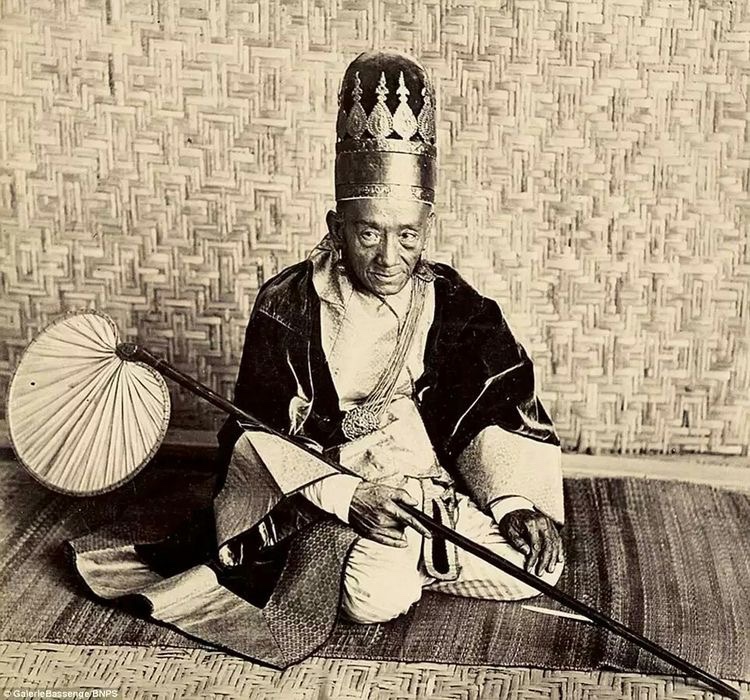

 𝐍𝐆𝐀𝐖𝐍 𝐂𝐇𝐈𝐍 𝐇𝐈𝐒𝐓𝐎𝐑𝐘