➖➖➖➖➖➖➖
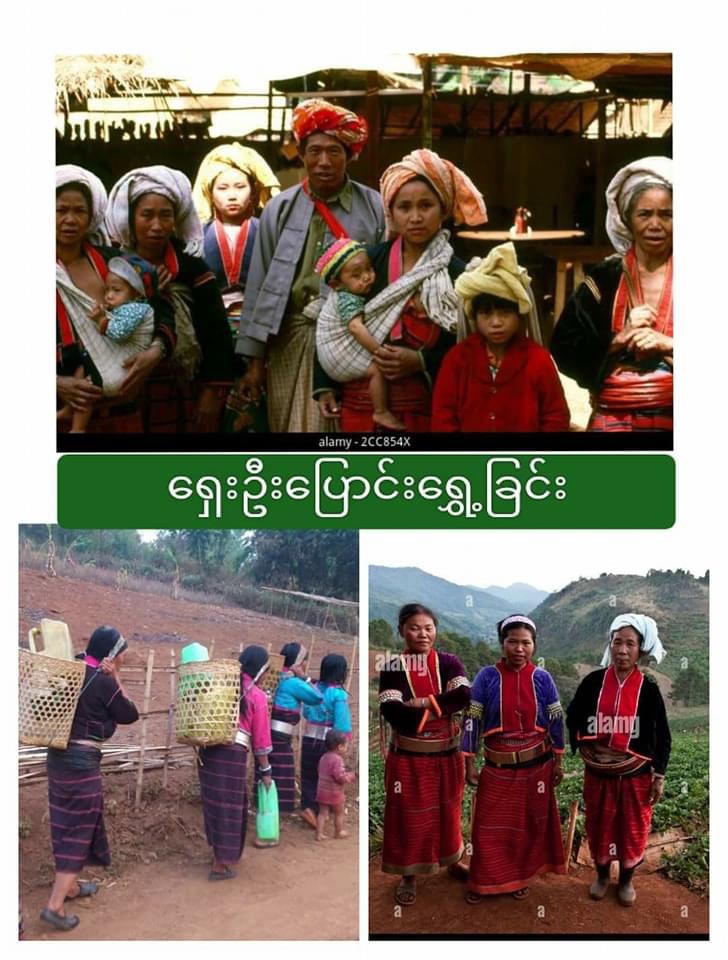
The Monkhma group is a group descended from the Mongoloid (Mongog) people, and lived in the Mongolian Plateau region more than 5000 years ago. Due to the scarcity of food and water, they bypassed the eastern part of China, where the Han Chinese people are densely populated, in search of the watery, grassy area. Upper Huangho (Yellow River) River Basin, Historians say that the history of Monkhma, who came through the confluence of the middle Wei River and the middle of the Yangtze River and migrated to southern and southwestern China, was a long and difficult migration.
Before the large Austroasiatic group descended to South Asia and Southeast Asia, central China, It is said that they settled in the upper and middle areas of the Yangtze River and Huangho (Yellow River) basins as a group of Mon Khmer people.
The river basin area has a balanced climate and good manure, so it can be considered a nation that can do agricultural activities properly. For many centuries, they settled down in the same office, and formed a large organized society through agricultural production. Set up a village and live.
However, since living in that area for more than 1000 years, the population of their people has increased. It is said that due to the increasing influx of other ethnic groups and the frequent attacks by the Chinese, whenever they encountered such crises, they split into groups and gradually moved to the south.
Therefore, the Mon Khmer tribes split into two groups, Khmer, Anam’s group went down to the place where Mon, Ta An A group of Wa entered and settled in the place called “Taliphoi Lake” in the future through central Yunnan.
It is reported that while living in central Yunnan, horse breeding flourished.
In the early period of 2000 BC, when he was living in central Yunnan, he was frequently harassed and attacked by the powerful Mongol Tatar Chinese troops. Ta’an and Wa settled in the Dali-fu area of the upper eastern part of the Mekong River in about 2000 BC and established the village of Koshamvi.
According to Dr. Than Tun, in 200 BC, the Tibetan Burmese tribe settled in the Salmwin River. From the mountainous areas upstream of the Mekong and Yangtze rivers, they moved to lower areas.
Yung Chang, which was established by China in 69 AD, is between the Mekong River and the Salwin River. It means the area that is now (80) miles east of Myitkyina city and 140 (140) miles northeast of Nam Kham town on Shweli River.
Therefore, it is said that the North Mon-Annam (Mon-Annam) ethnic group, who migrated later, migrated from central Yunnan to the Shan State and Lao region of present-day Myanmar.
Although the people are of the same race, according to the place they came from, the mountain, north east West Up and down the mountain, the usage terms are more or less different.
When the Karen people came back to the east, the difference increased again. However, according to the study, the above North Mon-Annam tribes may refer to the Ta’an people who returned to the northern highlands from the 6th century AD and settled from the 8th century to the 14th century AD.
Or China, which is believed to have not landed in the south, Fewer in Zhenkang Township and Namsan Township, Yunnan Province, and more likely the Rusi Tan An ethnic group who live in large numbers in Kokang County.
Mine Eye Glue
credit Photo..
ရှေးဦးပြောင်းရွှေ့ခြင်း
➖➖➖➖➖➖➖➖
မွန်ခမာအုပ်စုသည် မွန်ဂိုလွိုက် (မောင်းဂုတ်) လူမျိုးနွယ်ကြီးမှ ဆင်းသက်လာသော အုပ်စုဖြစ်ပြီး လွန်ခဲ့သောဘီစီ (၅၀၀၀) ကျော်ခန့်က မွန်ဂိုလီးယားကုန်းပြင်မြင့်ဒေသတွင် နေထိုင်လာရာမှ ရာသီဥတု ကြမ်းတမ်းခက်ထန်ခြင်း၊ အစာရေစာရှားပါးခြင်းတို့ကြောင့် ရေကြည်ရာမြက်နုရာဒေသကို ရှာဖွေရင်း ဟန်တရုတ် လူမျိုးများထူထပ်ရာ တရုတ်ပြည်အရှေ့ပိုင်းဒေသကို ရှောင်ကွင်း၍ တရုတ်ပြည် အလယ်ပိုင်း၊ ဟွမ်ဟို(မြစ်ဝါ) မြစ်ဝှမ်းအထက်ပိုင်း၊ အလယ်ပိုင်း ဝေ့မြစ် ဆုံရာဒေသနှင့် ယန်စီမြစ်ဝှမ်း အလယ်ပိုင်းဒေသတို့ကိုဖြတ်သန်းလာပြီး တရုတ်ပြည်တောင်ပိုင်းနှင့် အနောက်တောင်ပိုင်းဒေသသို့ ပြောင်းရွှေ့လာကြသော မွန်ခမာသမိုင်းကြောင်းသည် ကြမ်းတမ်းခက်ခဲပြီး အချိန်ကြာမြင့်စွာ ဖြတ်သန်းခဲ့ရသည့် ပြောင်းရွှေ့မှုကြီးတစ်ခုအဖြစ်သမိုင်းသုတေသီများက ဆိုကြသည်။
ဩစတြိုအေရှတစ်အုပ်စုကြီးသည် အာရှတောင်ပိုင်းနှင့် အာရှအရှေ့တောင်ပိုင်းသို့ မဆင်းသက်မီ တရုတ် ပြည်အလယ်ပိုင်း၊ ယန်စီကျန်မြစ်နှင့် ဟွမ်ဟို (မြစ်ဝါမြစ်) မြစ်ဝှမ်းအထက်ပိုင်းနှင့် အလယ်ပိုင်းဒေသတွင် မွန်ခမာ လူမျိုးနွယ်များအဖြစ် တစ်စုတစ်ရုံးတည်း အခြေချနေထိုင်လာခဲ့ကြသည်ဟု ဆို၏။
၎င်းမြစ်ဝှမ်းဒေသသည် ရာသီဥတု သင့်တင့်မျှတမှုရှိပြီး မြေဩဇာ ကောင်းမွန်ခြင်းကြောင့် စိုက်ပျိုးရေးလုပ်ငန်းများကို စနစ်တကျ လုပ်ကိုင်နိုင်သော လူမျိုးဟု ယူဆ၍ ရနိုင်သည်။ ရာစုနှစ်များစွာ တစ်စုံတစ်ရုံးတည်းဖြင့် အတည်တကျအခြေချ နေထိုင်ကြရာတွင် စိုက်ပျိုးရေး ကုန်ထုတ်လုပ်ငန်းကြီးဖြင့် စနစ်ကျသော လူအဖွဲ့အစည်းကြီးဖွဲ့စည်းကြကာ ကျေးပြည်၊ ကျေးနယ်ထူထောင်၍ နေထိုင်ကြသည်။
သို့သော် ၎င်းဒေသ၌ နှစ်ပေါင်း (၁၀၀၀) ကျော်ခန့် နေထိုင်လာရာမှ မိမိတို့လူမျိုးများ၏ လူဦးရေများပြား လာခြင်း၊ တခြားလူမျိုးနွယ်စုများ အစုလိုက်အပြုံလိုက် တိုး၍ဝင်လာခြင်းနှင့် တရုတ်လူမျိုးတို့၏ မကြာခဏ လာရောက်တိုက်ခိုက်ခံရခြင်းတို့ကြောင့် ထိုအကျပ်အတည်းများနှင့် တွေ့ကြုံရသည့်အခါတိုင်း အုပ်စုကွဲကြကာ တောင်ဘက်သို့ တဖြည်းဖြည်း ပြောင်းရွှေ့လာကြရသည်ဟု ဆိုသည်။
ထို့ကြောင့် မွန်ခမာမျိုးနွယ်စုတို့သည် အုပ်စုနှစ်စု ကွဲကာ ခမာ၊ အာနမ်တို့အုပ်စုသည် တုံးကင်းအရပ်သို့ ဆင်းပြီး မွန်၊ တအန်း၊ ဝတို့အုပ်စုက ဗဟိုယူနန်မှတစ်ဆင့် နောင်တွင် ယောနကတိုင်းခေါ်“တာလိဖုအိုင်”အရပ်တွင် ဝင်ရောက် အခြေချခဲ့သည်။
ဗဟိုယူနန်အတွင်း နေထိုင်စဉ် မြင်းမွေးမြူရေးလုပ်ငန်းအကြီးအကျယ် ထွန်းကားခဲ့ ကြောင်း သိရသည်။
ဘီစီ (၂၀၀၀) အစောပိုင်းကာလတွင် ဗဟိုယူနန်ဒေသ နေထိုင်စဉ်၌လည်း တန်ခိုးကြီးထွားနေသော မွန်ဂိုတာတာတရုတ်တပ်များက မကြာခဏ လာရောက်နှောင့်ယှက် တိုက်ခိုက်ခံနေရသဖြင့် မွန်၊ တအန်းနှင့် ဝတို့သည် မဲခေါင်မြစ် အထက်ပိုင်း၏ အရှေ့ဘက်ခြမ်း ယောနကတိုင်း(ခ)တာလိဖုအိုင် (Dali-fu) အရပ်ဒေသကို ဘီစီ (၂ဝဝဝ) ခန့်က ဝင်ရောက်အခြေချပြီး ကျေး (ခ) ကောသမ္ဗီပြည်ကို ထူထောင်၍ မင်း(ဘုရင်)ကဲ့သို့ အကြီး အကဲကို တင်ကာ စုစည်းစွာ နေထိုင်တတ်စ ပြုလာ၏။
ဒေါက်တာသန်းထွန်း၏ အဆိုအရ ခရစ်မပေါ်မီ နှစ် (၂၀၀) တွင် တိဗက်ဗမာ အနွယ်သည်သံလွင်မြစ်၊ မဲခေါင်မြစ်နှင့် ယွန်စီ (Yangtze) မြစ်အညာပိုင်း တောင်ပေါ်ဒေသမှစ၍ ပိုနိမ့်သော အရပ်ဒေသသို့ပြောင်းရွှေ့ပြီး ဖြစ်သည်။
ခရစ်နှစ် (၆၉) တွင် တရုတ်က တည်ထောင်သော ယွန်ချန်(Yung Chang)နယ် ဆိုသည်မှာ မဲခေါင်မြစ် နှင့် သံလွင်မြစ်နှစ်သွယ်ကြား၊ ယခု မြစ်ကြီးနားမြို့အရှေ့ (၈ဝ) မိုင်အကွာရွှေလီမြစ်ညာ နမ့်ခမ်းမြို့ (Nam Kham) အရှေ့မြောက် (၁၄၀) မိုင်အထိရှိသော နယ်ကို ဆိုလိုသည်။
ထို့ကြောင့် နောက်မှဝင်ရောက် ရွှေ့ပြောင်းလာသော မြောက်မွန်-အန်နမ် (Mon-Annam) လူမျိုးစုတို့သည်ဗဟိုယူနန်မှ ယခုမြန်မာနိုင်ငံ ရှမ်းပြည်နယ်နှင့် လောနိုင်ငံ ဒေသကို ရွှေ့ပြောင်းဝင်ရောက်လာကြောင်း ဆိုသည်။
လူမျိုးနွယ်စု တူသော်လည်း ရောက်လာသည့် အရပ်ဒေသလိုက်၍ တောင်၊ မြောက်၊ အရှေ့၊ အနောက်၊ တောင်ပေါ် တောင်အောက် လိုက်၍ အသုံးအစွဲ အခေါ်အဝေါ်တို့ကို အနည်းနှင့်အများဆိုသလို ကွဲလွဲလာကြပြန် သည်။
အရှေ့ပိုင်းကို ကရင်လူမျိုး ပြန်ဝင်လာသောအခါ ထပ်ပြီး ကွဲပြားခြားနားချက်က ပိုများလာရသည်။ သို့သော် လေ့လာတွေ့ရှိချက်အရဆိုလျှင် အထက်ပါ မြောက်မွန်-အန်နမ် လူမျိုးနွယ်စုများသည် တောင်ပိုင်းဒေသမှ အေဒီ (၆) ရာစုမှစ၍ မြောက်ပိုင်းကုန်းမြင့်ဒေသသို့ ပြန်လည်တက်ရောက်ပြီး အေဒီ(၈) ရာစုမှ (၁၄) ရာစုအထိ အခြေချ နေထိုင်သော တအန်းလူမျိုးများကို ရည်ညွှန်းခြင်း ဖြစ်နိုင်သည်။
သို့တည်းမဟုတ် တောင်ဘက်သို့ လိုက်ပါ ဆင်းသက်ခြင်းမရှိဟု ယူဆရသော ယခုအခါ တရုတ်နိုင်ငံ၊ ယူနန်ပြည်နယ် ဇန်ကန့် (Zhenkang) မြို့နယ်နှင့် နမ့်ဆန် (Namsan) မြို့နယ်တွင် အနည်းငယ်သာရှိပြီး ကိုးကန့်နယ်တွင် အများအပြား နေထိုင်ကြသော ရူစိင်း တအန်းမျိုးနွယ်စုများ ဖြစ်နိုင်ခြေ ပို၍များသည်။
မိုင်းအိုက်ကော်
credit Photo..
Pem hmasak ber
➖➖➖➖➖➖➖ tih a ni
Mon khma pawl hi Mongoloid (Mongog) hnam atanga lo piang pawl an ni a, kum 5000 chuang kalta khan Mongolian Plateau biala khawsa an ni. Chaw leh tui tlakchham vangin China hmar lam, Han Chinese mipui tamna hmun chu an paltlang a, tui awmna hmun, thlai chinna hmun chu an zawng ta a ni. Upper Huangho (Lui sen) lui kam, 1999. Historian-te chuan Monkhma chanchin, Wei lui lai tak leh Yangtze lui lai tak inzawmna atanga lo kal, China khawthlang leh chhim thlang lama pem lut chu hun rei tak leh harsa tak a ni an ti.
Austroasiatic pawl lian tak chu South Asia leh Southeast Asia, central China-a an chhuk hma chuan, Mon Khmer mi pawl angin Yangtze lui leh Huangho (Yellow River) basin chunglam leh a laiah an khawsa niin an sawi.
River basin area hian boruak inthlau tak leh manure tha tak a neih avangin agriculture hna mumal taka ti thei hnam anga ngaih theih a ni. Kum zabi tam tak chhung chu office khatah an awm a, agriculture production hmangin khawtlang inrual tak lian tak an din a ni. Khaw din la, khawsa rawh.
Amaherawhchu, chu lai hmuna kum 1000 chuang an awm a\angin an mite mihring pun chakna chu a pung ta a ni. Hnam dang an lo lut tam zel avang leh Chinese-hoin an beih fo avangin hetiang harsatna an tawh apiangin pawl hrang hrangah an inthen a, zawi zawiin khawthlang lamah an insawn thin niin an sawi.
Chuvangin Mon Khmer hnamte chu pawl hnihah an inthen a, Khmer, . Anam te pawl chu Mon, Ta An Wa pawl pakhat chu an lut a, nakin lawkah Yunnan khawthlang lam kaltlangin “Taliphoi Lake” an tih hmunah hian an lo awm ta a ni.
Yunnan khawthlang lama an awm lai khan sakawr vulh hi a lo thang chak hle niin an sawi.
BC 2000 tir lam, Yunnan khawthlang lama a awm lai khan Mongol Tatar Chinese sipai chak tak takte chuan an tibuaiin an bei fo thin. Ta’an leh Wa te hi BC 2000 vel khan Mekong lui hmarchhak lam Dali-fu area-ah an khawsa a, Koshamvi khua an din a ni.
Dr. Than Tun-a sawi dan chuan BC 200-ah Tibetan Burma hnamte chu Salmwin luiah an lo awm ta a. Mekong leh Yangtze lui chunglam tlangram a\angin hmun hniam zawkah an insawn a.
Kum 69 AD-a China-in a din Yung Chang hi Mekong lui leh Salwin lui inkar a ni. Tuna Myitkyina khawpui chhim lam mel (80) leh Shweli lui kama Nam Kham khawpui hmarchhak lam mel 140 (140) vela hla hmun tihna a ni.
Chuvangin, North Mon-Annam (Mon-Annam) hnam, a hnu lama pem lutte chu Central Yunnan atangin tunlai Myanmar rama Shan State leh Lao bialah an pem niin an sawi.
Mipui chu chi khat ni mah se, an lo chhuahna hmun azirin tlang, . hmar khawchhak Chhim lam Tlâng chung leh hnuai lamah chuan hman dan (usage terms) a inang lo deuh deuh a ni.
Khawchhak lama Karen mite an lo haw leh chuan an danglamna chu a zual leh ta a. Mahse, zirchianna atanga a lan dan chuan a chunga North Mon-Annam hnamte hian kum zabi 6-na AD atanga hmarchhak tlangram lama kir leh, kum zabi 8-na atanga kum zabi 14-na AD thlenga awm Ta’an mite a kawk thei a ni.
A nih loh leh China, khawthlang lama tla lo nia rin, . Zhenkang Township leh Yunnan Province-a Namsan Township-ah an tlem zawk a, Kokang County-a tam tak awm Rusi Tan An hnam an ni zawk.
credit Thlalak

 𝐍𝐆𝐀𝐖𝐍 𝐂𝐇𝐈𝐍 𝐇𝐈𝐒𝐓𝐎𝐑𝐘